You might wonder how a business that charges $10 a person and shows two movies for that price manages to stay open. The answer is that ticket sales are almost irrelevant to the bottom line. Drive-in theaters survive on everything else.
The Ticket Sales Problem
Film studios typically take 50-70% of box office revenue, especially during opening weekends for big releases. On a $10 ticket, the drive-in might keep $3-5. Multiply that by a few hundred cars on a busy night, and you have enough to cover the film rental — barely.
This is the same problem indoor theaters face, by the way. It’s why a small popcorn costs $8 at the multiplex. The difference is that drive-ins have even tighter margins because they can only show movies after dark, limiting them to one or two showings per night instead of the six or seven an indoor theater can run.
Concessions Are Everything
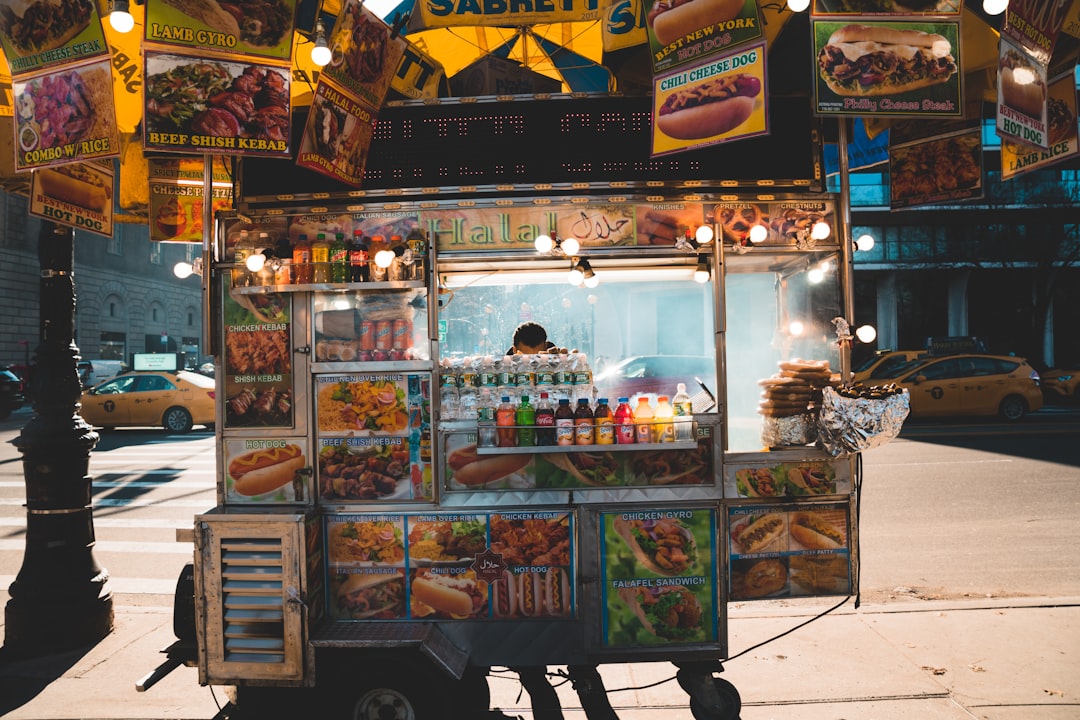
Concession sales are where drive-ins make real money. The markup on popcorn, candy, hot dogs, and fountain drinks is enormous — the raw cost is a fraction of the selling price. A $6 bucket of popcorn might cost the theater $0.50 in kernels and butter.
This is exactly why some drive-ins don’t allow outside food, and why others charge a food permit fee. It’s not about being strict — it’s survival. When you buy a Coke and a box of candy at the concession stand, that’s what pays the electric bill and keeps the projector bulb replaced.
Some drive-ins have gone beyond the standard concession stand. The 411 Twin in Centre, Alabama has a full grill. The Grand River in Leeds, Alabama has a bar. These expanded food options bring in more revenue per customer and give people a reason to arrive early and spend more time (and money) on-site.
The Land Question
Drive-in theaters sit on large parcels of land, often 10-15 acres. In many areas, that land is worth far more as a housing development, shopping center, or warehouse than as a movie theater. This is the main reason drive-ins have closed over the decades — not because people stopped coming, but because selling the land was too lucrative to pass up.
The drive-ins that survive tend to either own the land outright (no mortgage payments), sit in areas where land values haven’t spiked, or have owners who value the business over the real estate opportunity.
Other Revenue Streams
Smart drive-in owners have diversified:
- Swap meets and flea markets — the parking lot sits empty during the day, so why not? The South Bay Drive-In in Imperial Beach runs a swap meet three days a week. The Capitol Drive-In in San Jose operates as the Capitol Flea Market during the day.
- Private events — birthday parties, corporate outings, and holiday events bring in flat-fee revenue outside of regular showings.
- Advertising — some drive-ins run local ads before the movie starts, similar to indoor theaters.
- Carload pricing — charging $25-$30 per vehicle instead of per person simplifies the operation and guarantees a minimum spend per car.
Why Drive-Ins Still Exist
The economics are tight, but drive-ins have a few advantages over indoor theaters. They don’t need to heat or cool a massive building. Staffing is minimal compared to a multiplex. And the experience itself — movies under the stars, double features, the nostalgia — creates a loyal customer base that comes back year after year.
The drive-ins that are still open in 2026 have figured out how to make the math work. Supporting them means buying from the concession stand, showing up on slower weeknights, and telling your friends. A packed Friday night once a summer keeps the lights on, but consistent weeknight traffic is what makes a drive-in sustainable.