Going to a drive-in movie for the first time can feel like stepping into a different world. No assigned seats, no indoor theater lobbies, no previews blasting at full volume. Just your car, a giant screen, and a movie under the stars. Here’s exactly how it works so you know what to expect.
Buying Tickets
Most drive-ins sell tickets at the box office when you pull up to the gate. You pay per person (typically $8-$12 for adults), and many places offer carload pricing where you pay one flat rate per vehicle.
A growing number of theaters now sell tickets online, which can save you time on busy nights. But here’s the thing: a lot of drive-ins are still cash-only at the gate. Some accept cards at the concession stand but not at the box office. Bring cash. Seriously. Nothing ruins a Friday night faster than getting turned away because you only have a debit card.
If the theater does sell tickets online, buy them ahead of time on weekends. Popular drive-ins sell out, especially on opening weekends for big movies.
When to Show Up
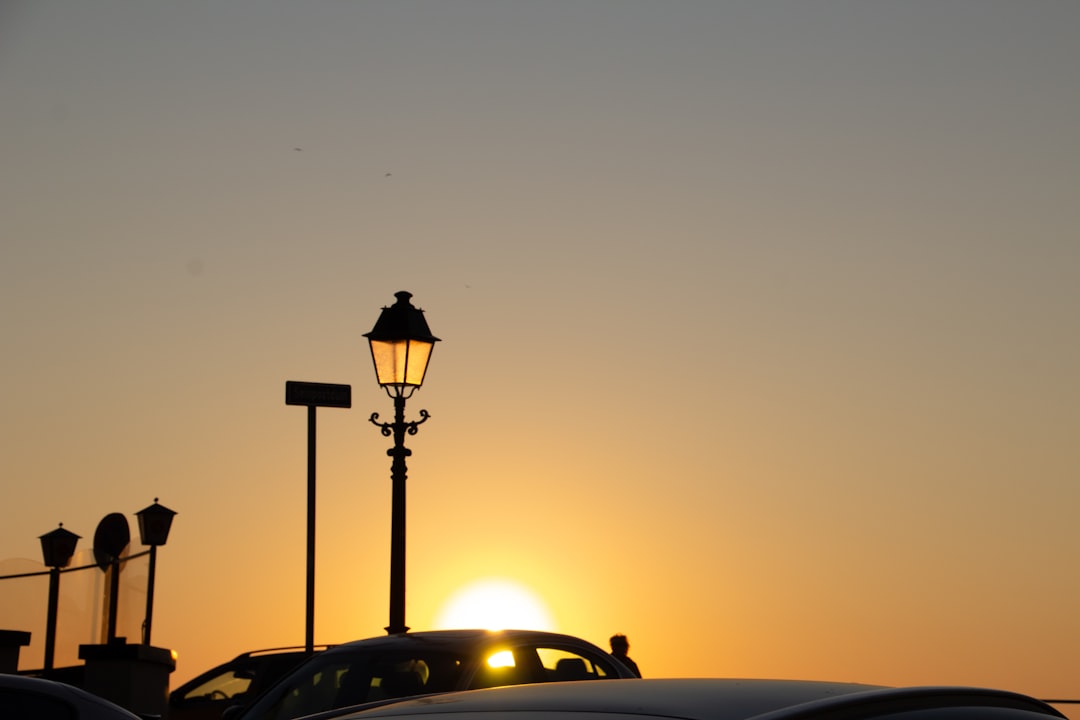
Movies start at dusk, since the screen needs a dark sky to work. That means showtimes shift throughout the season. In June you might not see the first frame until 9:15 PM. In September it could be 8:00 PM. The theater’s website or Facebook page will have the exact time.
Gates usually open 30 to 60 minutes before showtime. Get there early. Parking is first-come, first-served, and the best spots go fast. On a Saturday night in July, showing up 15 minutes before the movie starts means you’re parking in the back row and craning your neck. Arriving when the gates open gives you time to pick a good spot, grab food, and settle in.
Parking and Setting Up
When you pull in, an attendant will direct you to a row or section. You park facing the screen. Most drive-ins have small mounds or ramps so each row sits slightly higher than the one in front.
A few rules that apply almost everywhere:
- Trucks and SUVs park in the back rows. If you’re in a tall vehicle, don’t park in front and block the view for a sedan behind you.
- Keep your hatch closed. Opening your SUV’s rear hatch or sitting on the roof of your car blocks the screen for people behind you. Some theaters will ask you to close it.
- Turn off your headlights. Once you’re parked, lights off. Your parking lights and interior lights should be off too.
Some people back into their spots so they can sit in lawn chairs or on blankets in front of their car. Others sit inside. Both are fine at most theaters. Bring blankets and pillows either way, because you’re going to be sitting for a while.
Tuning In to the Sound
This is the part that surprises most first-timers. You don’t hear the movie through giant outdoor speakers (those went away decades ago). Instead, the theater broadcasts the audio over an FM radio frequency. You tune your car radio to the station, and the sound comes through your car’s speakers.
The frequency is posted on the screen before the movie starts and usually on signs around the lot. A few tips:
- Use your car radio if you’re sitting inside. Just make sure you start your engine periodically so you don’t kill your battery, or leave the car in accessory mode.
- Bring a portable FM radio if you want to sit outside. A cheap battery-powered radio works great with a small Bluetooth speaker for better sound.
- Bluetooth FM transmitters let you pipe the audio from a portable radio to a wireless speaker. Some people swear by this setup.
Running your car radio for three to four hours can drain your battery if you’re not careful. If your car has an accessory mode that powers the radio without running the full electrical system, use it. Otherwise, start the engine every 30 to 45 minutes for a few minutes to keep the battery topped off. Most theaters have jumper cables on hand, but you’d rather not need them.
The Double Feature
Here’s one of the best parts about drive-ins: most show a double feature, meaning you get two movies for one ticket price. The first movie starts at dusk. After it ends, there’s a 10 to 15 minute intermission. Then the second movie starts.
The second movie usually wraps up around midnight or later, depending on the time of year and the length of the films. You’re welcome to leave after the first movie if it’s a weeknight or you have kids falling asleep in the back seat. Nobody will judge you. But if you can stay, the second feature is essentially a free movie.
During intermission, the concession stand gets busy. If you want food for the second movie, head up early or buy everything before the first film starts.
Concessions
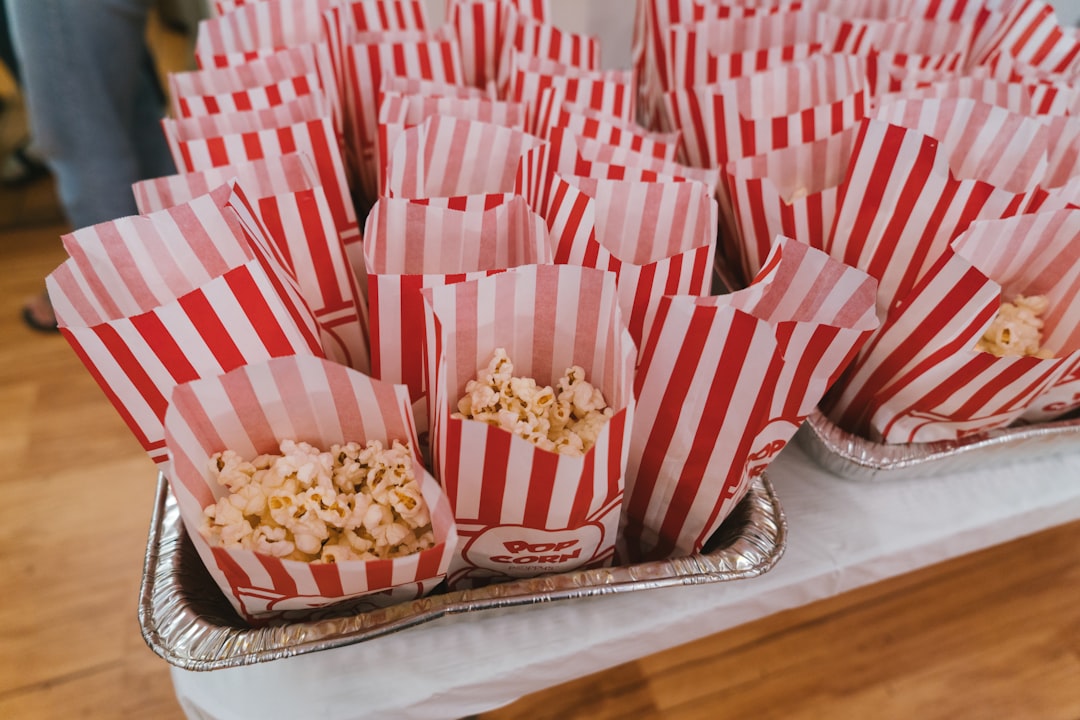
Drive-in concession stands range from basic (popcorn, hot dogs, candy) to surprisingly good (burgers, pizza, fried chicken, beer). Prices are similar to indoor theaters. Expect $5-$8 for popcorn and $3-$5 for drinks.
Buy something from the concession stand. This matters more than you might think. Drive-ins pay up to 90% of ticket revenue to the movie studios. The concession stand is where the theater actually makes its money. If you want your local drive-in to survive, buying a bucket of popcorn and a couple of drinks goes a long way.
Some theaters allow outside food freely. Others charge a food permit fee ($5-$10 per car) to bring in your own cooler. A few don’t allow outside food at all. Check the theater’s website before you pack a picnic. Even if outside food is permitted, consider supporting the stand.
For more details on pricing and food policies, check out our drive-in FAQ.
After the Movie
When the last movie ends, keep your headlights off until you’re actually pulling out of your spot and heading toward the exit. Hundreds of people turning on their brights at once is blinding, and some folks are still watching the credits or getting their kids buckled in.
Follow the flow of traffic toward the exit. It can take 10 to 15 minutes to get out of a full lot. Be patient. Roll your windows down, enjoy the night air, and don’t be the person honking.
What to Bring
A quick checklist for your first trip:
- Cash for the box office
- Blankets and pillows for comfort
- A portable FM radio if you plan to sit outside
- Bug spray in the summer months
- Snacks (if the theater allows outside food)
- Patience and good vibes
Find a Drive-In Near You
There are still about 300 drive-in theaters operating across the United States, spread across 46 states. Most are open from April through September, with a handful running year-round in warmer climates.
Ready to go? Browse our complete directory to find a drive-in near you, or explore theaters by state to see what’s in your area. Your first drive-in movie is going to be a good time.