It’s one of the most common questions people ask before heading to a drive-in movie: can you bring your own food? The answer depends entirely on the theater. Some are fine with it, some charge a fee, and some don’t allow it at all.
The Short Answer
There is no universal policy. Every drive-in theater sets its own rules about outside food and drinks. Before you pack a cooler, check the theater’s website or give them a call. Most theaters list their food policy on their site, and we include it on individual theater pages in our directory when the information is available.
Three Common Food Policies
Across the roughly 300 drive-in theaters still operating in the US, outside food policies generally fall into one of three categories.
Outside Food Allowed Freely
Some drive-ins have no restrictions on outside food. You can bring a cooler, bags of snacks, full meals, whatever you want. These theaters rely on the appeal of their concession stand rather than a strict policy. Many family-owned drive-ins in rural areas take this approach.
Food Permit Required
A growing number of drive-ins allow outside food but charge a food permit fee, typically $5 to $10 per vehicle. You pay the fee at the gate or box office, and then you’re free to bring in your own food and drinks. This is a middle-ground approach that acknowledges people want to bring their own stuff while still generating some revenue for the theater.
No Outside Food Allowed
Some drive-ins prohibit outside food entirely. At these theaters, the concession stand is your only option. This is more common at larger, multi-screen drive-ins that have invested heavily in their food operations.
What Is a Food Permit?
If you haven’t been to a drive-in in a while, the food permit concept might be new to you. It’s simple: you pay a flat fee per car (usually $5 to $10) for the right to bring your own food and beverages onto the property. The fee helps offset the concession revenue the theater loses when you bring your own snacks instead of buying theirs.
Not every theater that allows outside food charges a permit fee. But if one does, it’s typically listed on their website or posted at the entrance. Check our FAQ page for more on common drive-in policies.
Why You Should Buy From the Concession Stand
Even if outside food is allowed, consider spending a few dollars at the concession stand. Here’s why it matters: drive-in theaters pay up to 90% of their ticket revenue to the film studios that distribute the movies. That $10 admission ticket? The theater might keep only $1 or $2 of it.
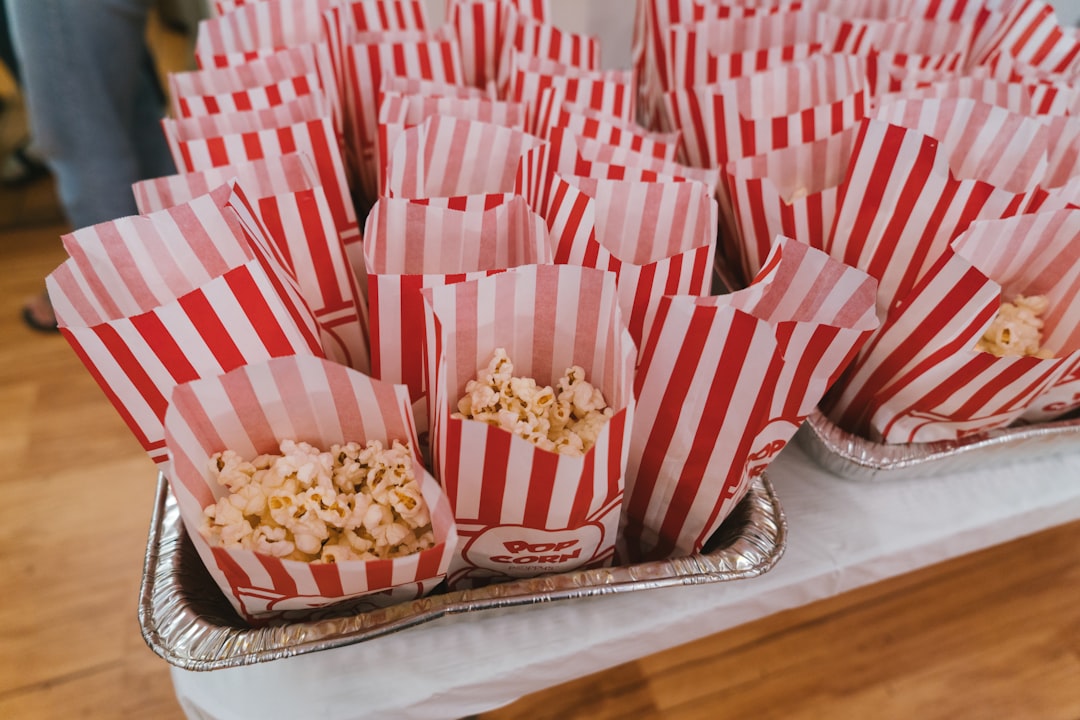
The concession stand is where drive-ins actually make their money. It’s what keeps the lights on, the projector running, and the lot maintained. Buying a bucket of popcorn or a couple of drinks directly supports the theater’s ability to stay open. Many beloved drive-ins have closed over the years because they couldn’t make the numbers work. Supporting concessions is one of the easiest ways to help keep your local drive-in alive.
What Kind of Food Do Drive-Ins Sell?
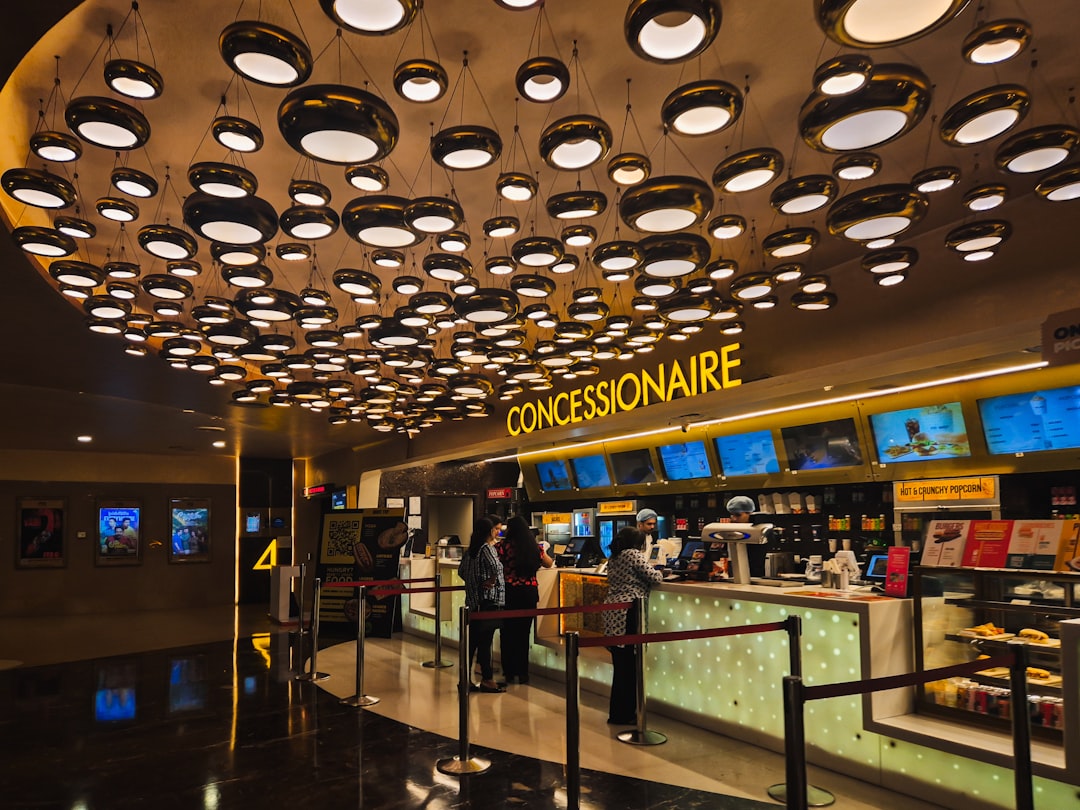
Drive-in concession stands range from basic snack bars to full-service kitchens. At most theaters, you can expect:
- Popcorn (the staple)
- Hot dogs and burgers
- French fries and onion rings
- Nachos
- Candy and packaged snacks
- Sodas and bottled water
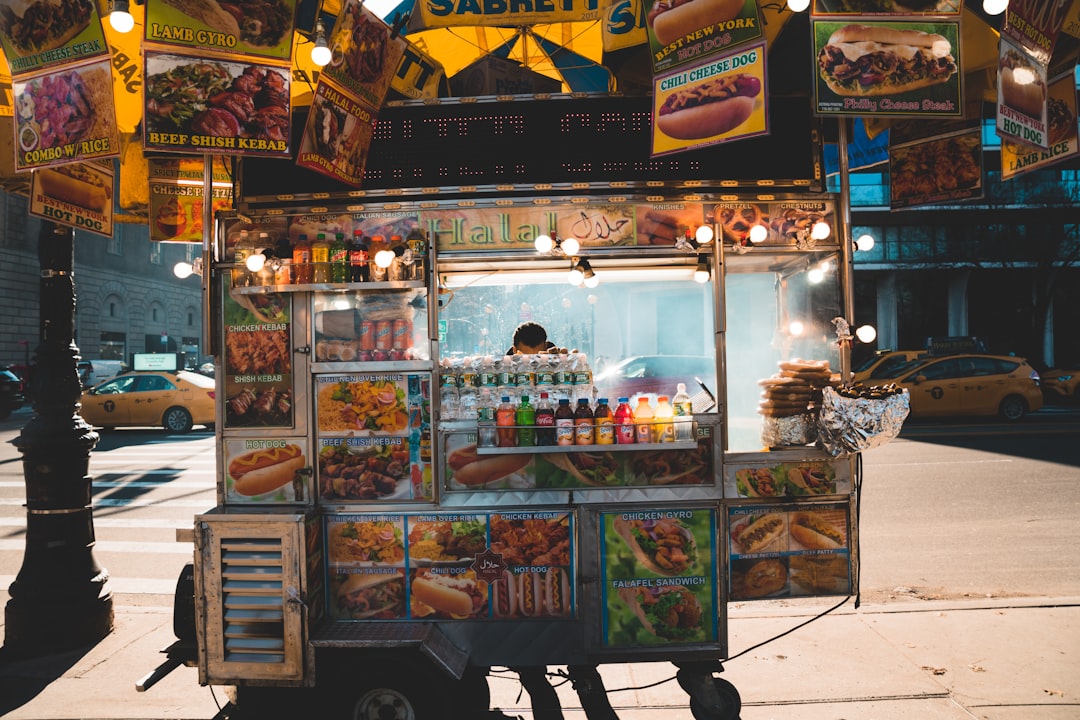
Some drive-ins go well beyond the basics. A number of theaters have full kitchens serving pizza, chicken tenders, barbecue, ice cream sundaes, and more. A handful even serve beer and wine. The food at a good drive-in can be a highlight of the night, not just an afterthought.
Tips for Bringing Your Own Food
If the theater allows outside food (with or without a permit), keep these things in mind:
- Check for glass restrictions. Many drive-ins that allow outside food still prohibit glass bottles for safety reasons. Stick to cans, plastic bottles, and disposable containers.
- Clean up after yourself. Drive-in lots need to be cleared before the next showing. Pick up all your trash, bag it up, and take it to the bins or take it with you.
- Don’t bring a grill. It sounds obvious, but open flames in a packed gravel lot full of cars are a hazard. Leave the charcoal at home.
- Be considerate of your neighbors. Strong-smelling food in close quarters can be unpleasant for the cars around you.
- Bring what you need before the movie starts. Getting in and out of your vehicle during the film creates noise and light that disrupts other viewers.
Check Your Theater’s Policy
The best way to know what’s allowed is to look it up before you go. Browse our drive-in theater directory to find the theater you’re planning to visit. We list food policies, outside food rules, and other details for hundreds of drive-ins across the country. A quick check saves you the surprise of having to leave your cooler in the trunk.