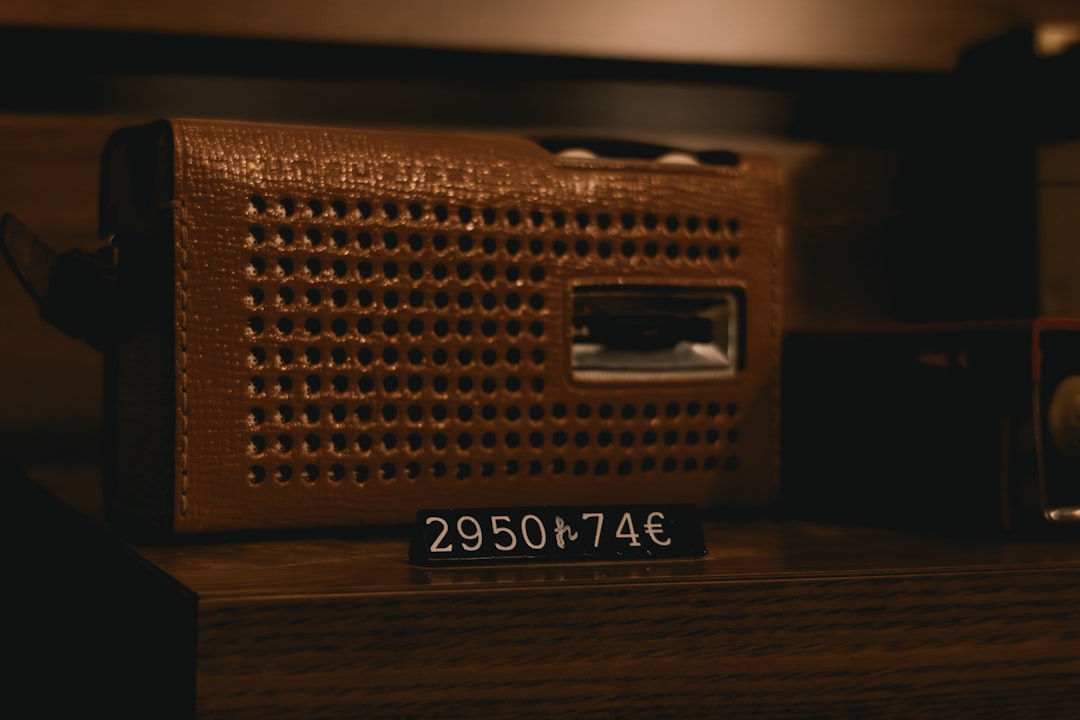
If you’ve been to a drive-in movie theater recently, you know the drill: the theater broadcasts the movie’s audio on an FM frequency, and you tune in with your car radio. That works fine if you want to stay in your car all night. But if you’d rather set up lawn chairs, spread out a blanket, and actually enjoy being outdoors, you need a portable FM radio.
A good portable radio lets you sit outside, hear the movie clearly, and skip the worry about draining your car battery over a three-hour double feature. It’s one of the most useful things you can bring to a drive-in, and a surprisingly easy problem to solve for under $40.
For more on how drive-in audio works, check our FAQ page.
What to Look For in a Drive-In Radio
Not every portable radio is a good fit for a drive-in. Here’s what actually matters:
FM reception quality. This is the most important thing. Drive-in transmitters are low-power, so your radio needs to pull in a clean signal without static or drift. Radios with a proper telescoping antenna consistently outperform ones without.
Speaker volume. You’ll be outdoors, possibly near other cars and people. The built-in speaker needs to be loud enough that you can hear dialogue clearly without cranking it to the point of distortion. You don’t need concert volume, but you do need enough to cut through ambient noise.
Battery life. A double feature runs three to four hours. You need a radio that won’t die halfway through the second movie. Radios that run on standard AA or AAA batteries are ideal because you can toss spares in your bag. Rechargeable batteries work too, but make sure you charge them before you leave.
Size and portability. You’re carrying it from your car to your chairs. It doesn’t need to fit in your pocket, but it shouldn’t be a burden either. Something you can toss in a tote bag is the sweet spot.
Top Picks
Best Overall: Sangean PR-D18
The Sangean PR-D18 is the radio most drive-in regulars end up recommending to each other. It has excellent FM reception with a telescoping antenna, clear sound from its built-in speaker, and runs on AA batteries. The tuning is digital, so you can dial in the exact frequency without fiddling with an analog dial. It’s not the cheapest option, but the reception quality is noticeably better than budget radios, and that matters when you’re trying to hear every line of dialogue at a drive-in.
Budget Pick: Panasonic RF-2400D
The Panasonic RF-2400D has been around for years, and it keeps selling because it does exactly what you need at a low price point. The FM reception is solid, the built-in speaker gets plenty loud, and it runs on AA batteries. The tuning dial is analog, which means you’ll need to fine-tune it by ear, but that takes about ten seconds. If you just want a reliable radio without overthinking it, this is the one to grab.
Best for Sound Quality: JBL Tuner 2
The JBL Tuner 2 is a Bluetooth speaker with a built-in FM radio, which gives you the best of both worlds. The sound quality is significantly better than a traditional portable radio because JBL designed it as a speaker first. It has a rechargeable battery that lasts around 12 hours, so battery life is never a concern. The FM tuner is capable, and you can also use it as a regular Bluetooth speaker before the movie starts. It’s bulkier and more expensive than a basic radio, but if sound quality is your priority, nothing else on this list comes close.
Most Portable: Sony ICF-P27
The Sony ICF-P27 is a pocket-sized radio that weighs almost nothing and runs on AA batteries. It won’t win any awards for speaker volume, but it’s perfectly adequate at close range. If you’re sitting right next to it in a lawn chair, you’ll hear the movie fine. The real advantage is convenience. It fits in a jacket pocket or a small bag, so you’ll actually remember to bring it. For solo moviegoers or couples who don’t need to fill a large area with sound, it’s a practical choice.
Emergency Backup: Hand-Crank Emergency Radio
If you already own a hand-crank emergency radio with FM capability, it’ll work at a drive-in in a pinch. These radios are designed for disaster preparedness, so the FM reception tends to be basic and the speakers are small. But they never need batteries, and the hand crank means you’ll never run out of power. It’s not the ideal choice, but if you have one sitting in a closet, try it before buying something new. You might be surprised.
Can I Use My Phone as an FM Radio?
This is one of the most common questions people ask before their first drive-in visit, and the answer is: probably not in the way you’d expect.
Most modern smartphones do not have an FM radio chip. Apple removed the FM chip from iPhones years ago, and most Android manufacturers have followed suit or disabled it in software.
The FM radio apps you’ll find in the App Store or Google Play are not actually tuning into FM signals. They stream radio stations over the internet. That means two things: you’ll use cellular data, and there will be a slight audio delay compared to the actual FM broadcast. At a drive-in, that delay means the audio will be noticeably out of sync with the picture on screen.
There are some exceptions. A handful of older Android phones do have working FM chips, but they require you to plug in wired headphones to act as an antenna. If you happen to have one of these phones, it can work. But for most people, a dedicated portable radio is simply more reliable.
Can I Use a Bluetooth Speaker?
A Bluetooth speaker by itself cannot receive FM radio signals. It’s a speaker, not a radio. So no, you can’t just bring a Bluetooth speaker to a drive-in and expect it to pick up the movie audio.
However, you can pair a Bluetooth speaker with a device that does receive FM. If you have a phone with an FM chip or a radio with a headphone or aux output, you could route the audio to a Bluetooth speaker for better sound. The JBL Tuner 2 mentioned above solves this by combining both into one device.
If you go the Bluetooth route, keep in mind that Bluetooth adds a small amount of audio latency. For most people it’s not noticeable, but if you’re sensitive to audio-video sync issues, a radio with a built-in speaker will always be tighter.
Tips for Getting Good FM Reception at the Drive-In
Even a great radio can struggle if you don’t set it up right. A few simple adjustments make a big difference:
Extend the antenna fully. This sounds obvious, but a lot of people forget. The telescoping antenna on your radio exists for a reason. Pull it all the way out and angle it upward.
Move the radio around. FM signals can have dead spots and sweet spots even within a few feet. If you’re getting static, try shifting the radio a foot or two in any direction. Raising it off the ground, like setting it on a cooler or the roof of your car, often helps.
Face the antenna toward the transmitter. The FM transmitter is usually near the projection booth or screen structure. Pointing your antenna in that general direction can improve reception.
Avoid interference from your car. If you’re parked right next to your vehicle with the engine or electronics running, it can introduce noise. Moving a few feet away from the car sometimes clears things up.
Tune precisely. If your radio has an analog dial, take a moment to fine-tune the frequency. Being slightly off-center on the station can cause static or a weak signal. Digital tuners handle this automatically.
With the right radio and a little positioning, you’ll have clear audio all night. Grab a blanket, set up your chairs, and enjoy the show without worrying about your car battery.